Many enjoy the rich flavor of soy sauce, but there may be questions about its acidity. Soy sauce typically has a pH level between 4.4 and 5.4, which classifies it as an acidic condiment. This acidity comes from the fermentation process that involves lactic acid and acetic acid, contributing to its distinctive taste.
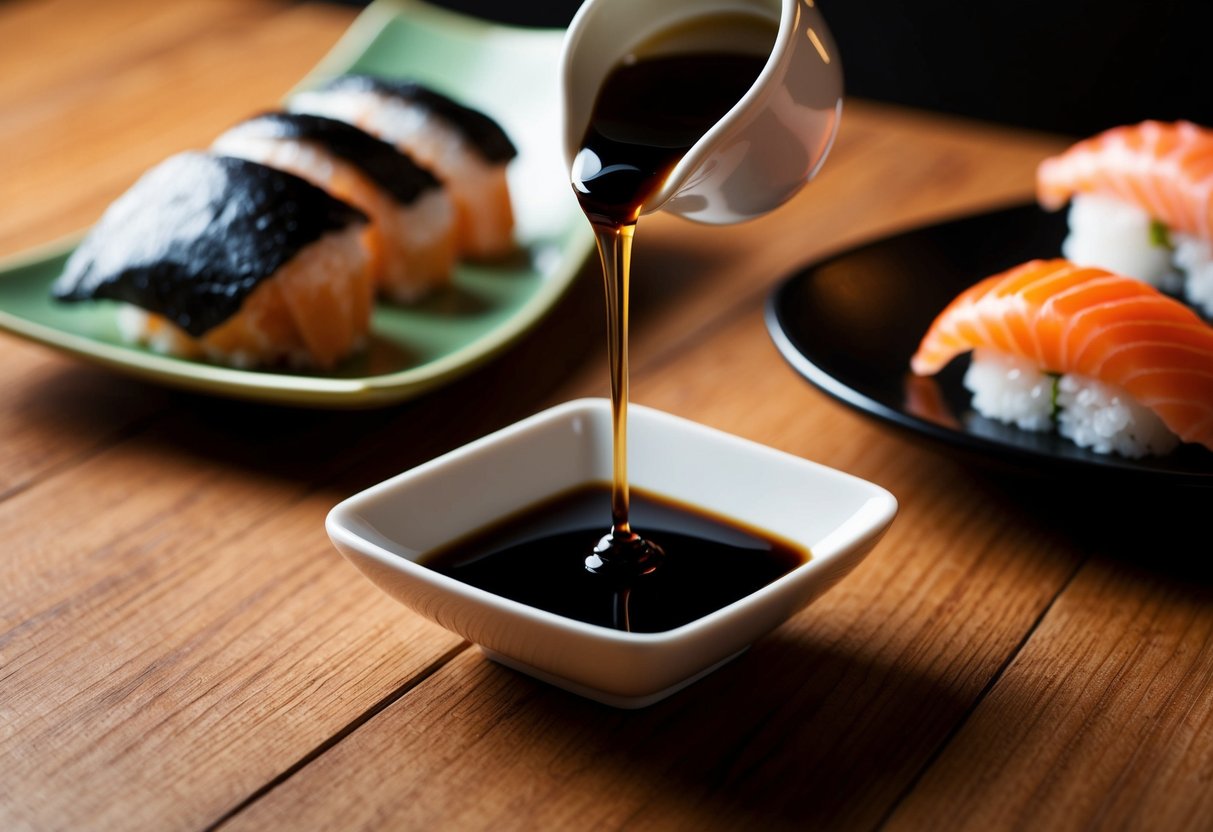
Understanding its acidity can help determine how soy sauce fits into various diets, especially for those concerned about digestive health. The balance of flavors in dishes can also be influenced by pairing soy sauce with other ingredients, making it essential to know how it interacts with more alkaline foods.
Key Takeaways
- Soy sauce is classified as acidic with a pH range of 4.4 to 5.4.
- Its acidity plays a role in flavor and may impact digestive health.
- Careful use of soy sauce can enhance dishes while maintaining dietary balance.
Chemical Properties of Soy Sauce
Soy sauce contains various chemical properties that influence its flavor and acidity. Understanding these properties can help in using it properly in cooking and food preparation.
pH Level of Soy Sauce
The pH level of soy sauce typically ranges from 4.4 to 5.4. This means it is mildly acidic.
| pH Level | Acidity Type |
|---|---|
| 0-3 | Strongly Acidic |
| 4-6 | Mildly Acidic |
| 7 | Neutral |
| 8-14 | Alkaline |
Most soy sauces land near pH 5, indicating it has enough acidity to affect flavors in dishes while not being overpowering. The acidity is important for balancing taste in various cuisines.
Acid-Forming Ingredients in Soy Sauce
Soy sauce owes its acidity mainly to lactic acid and acetic acid. These acids contribute to its distinct flavor profile.
- Lactic Acid: This is present in amounts between 0.5% to 2.0%. It enhances the fermented flavor.
- Acetic Acid: This compound adds a vinegary taste.
- Other Organic Acids: Trace amounts of acids like oxalic, tartaric, and malic acid are also present.
These components work together, making soy sauce a versatile condiment. Their presence helps to create the balance of sweetness, saltiness, and umami that many people enjoy in dishes.
Impact of Soy Sauce on Digestive Health
Soy sauce has a specific pH level that may influence digestive health in various ways. Its acidity can have an effect on conditions like acid reflux and GERD. Additionally, its consumption may impact the balance of the stomach.
Soy Sauce in Acid Reflux and GERD
Soy sauce has a pH level between 4.4 and 5.4, categorizing it as acidic. For individuals with acid reflux or gastroesophageal reflux disease (GERD), this acidity can be a concern.
Acid Reflux Symptoms:
- Heartburn
- Regurgitation
- Difficulty swallowing
While soy sauce may not cause issues for everyone, some people may experience worsened symptoms after consuming it. Moderation is crucial. It is advisable for those prone to these conditions to monitor their reactions to soy sauce.
Soy Sauce Consumption and Gastric Balance
Regular consumption of soy sauce can affect the gastric environment. Its salt content might lead to increased fluid retention and changes in gut bacteria.
Potential Effects:
- High sodium can cause bloating.
- Can disrupt normal digestive patterns for some.
Those with sensitive digestive systems should consider reducing their intake of soy sauce. Drinking water and maintaining a balanced diet with probiotics can help in keeping the gut healthy and counteracting any adverse effects from soy sauce.
Balancing Soy Sauce in Diets
Soy sauce can enhance flavor in many dishes, but its acidic nature requires some attention in dietary planning. Understanding how to balance soy sauce with other dietary elements ensures a harmonious intake while maintaining health.
Integrating Soy Sauce in Alkaline Diets
For those following an alkaline diet, it’s important to use soy sauce in moderation. Soy sauce has a pH level of around 4.4 to 5.4, making it mildly acidic. To balance this, individuals can pair it with more alkaline foods.
Here are some tips:
- Use Sparingly: Limit the quantity of soy sauce in meals. A small amount can provide flavor without overwhelming the dish.
- Combine with Vegetables: Adding alkaline vegetables like spinach or kale can help balance the acidity in meals.
- Consider Homemade Versions: Making soy sauce alternatives at home can allow for control over acidity levels.
Alternatives to Soy Sauce
There are various substitutes for those who wish to avoid soy sauce. These alternatives can provide similar flavors without the acidity.
- Coconut Aminos: Made from fermented coconut sap, this option is less acidic and often lower in sodium.
- Tamari: A gluten-free soy sauce made from fermented soybeans, tamari usually has a smoother flavor but may still have acidity.
- Miso Paste: This fermented product offers umami flavor and can be diluted with water for use in marinades and dressings.
These alternatives can help individuals maintain the flavor profile of their meals while catering to specific dietary needs.